City of Cape Town
Dereleen James
One City For All
63 496
Votes
2.8%
Of the vote
First time on the ballot
7
Council seats
None in 2021
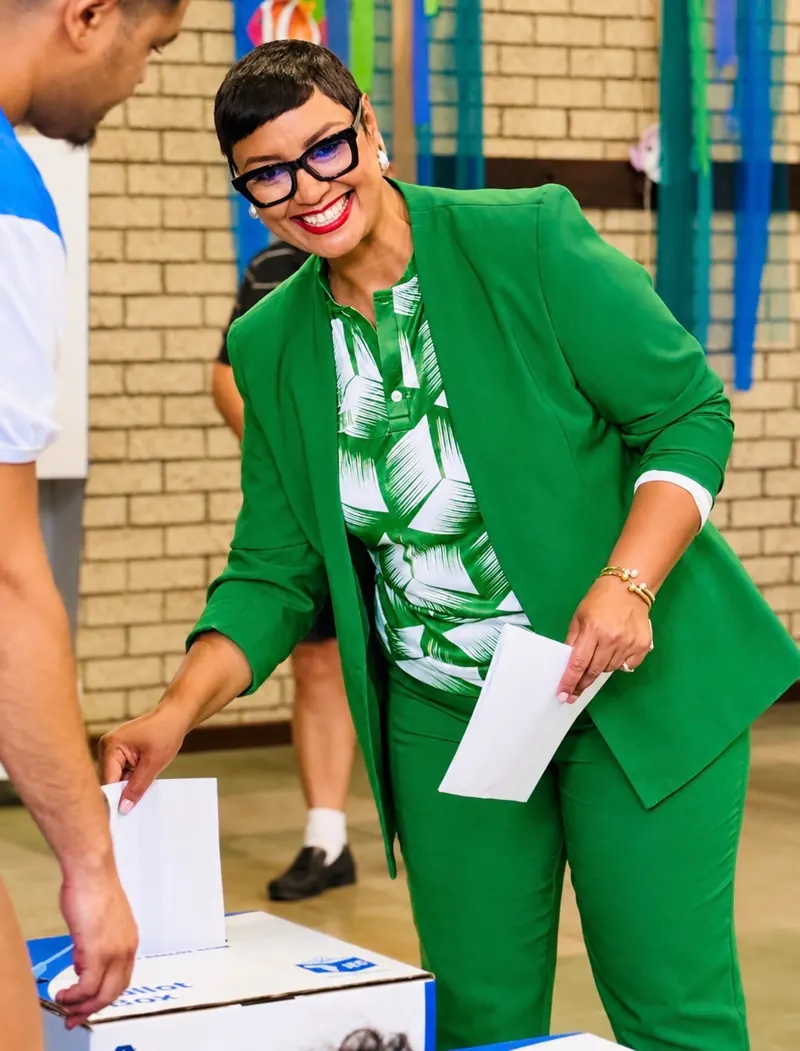
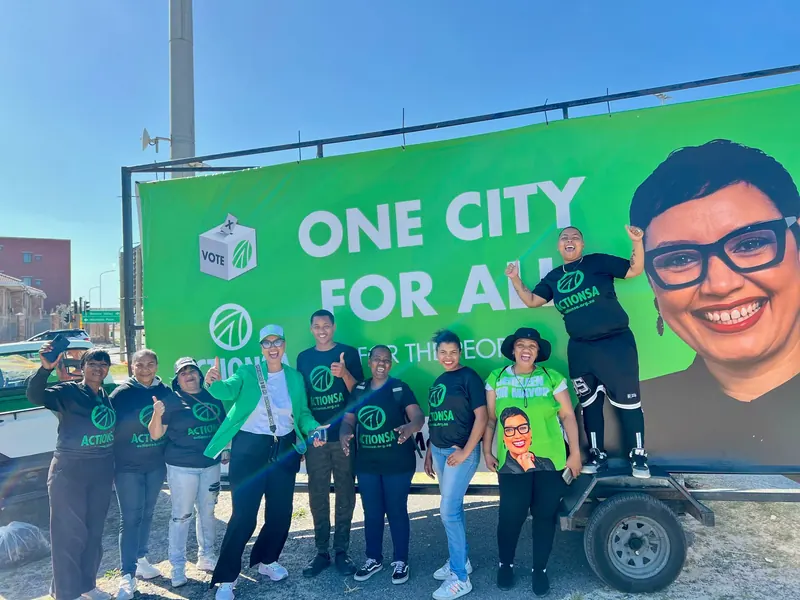
Dereleen James took us onto the Cape Town ballot for the first time, from the Cape Flats.
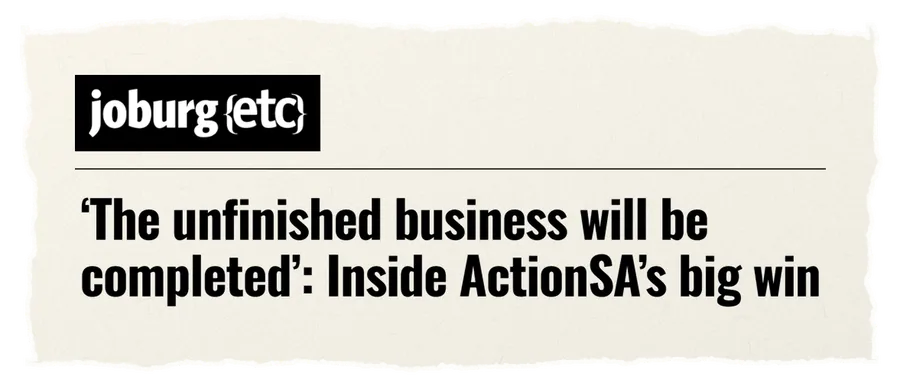
On 4 November 2026, 1 913 106 votes went to ActionSA, more than three times our 2021 vote, on the ballot in 104 of the country's 257 councils. We won 338 council seats, up from 91, and 56 wards outright, up from one.

The moment we proved we have no ceiling.
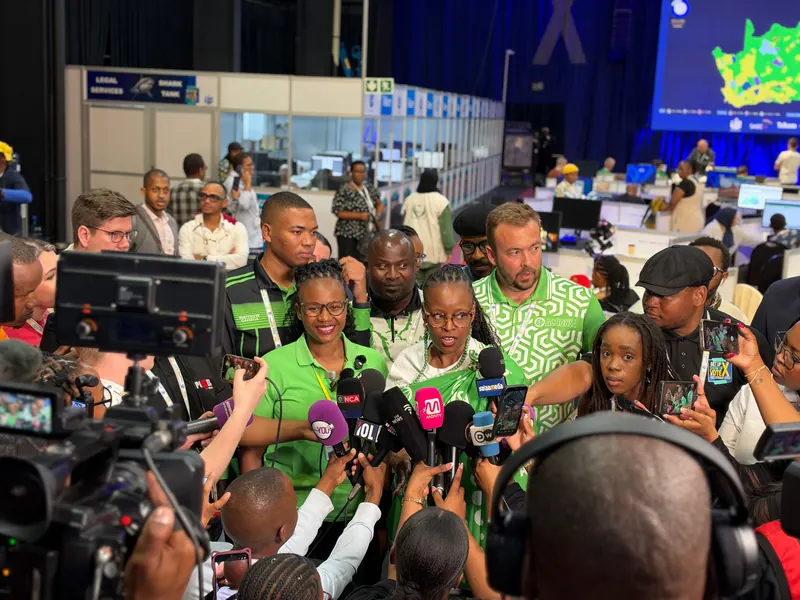
Where we were on the ballot, South Africans gave us 1 913 106 votes, more than three times our 2021 total.
We won 338 council seats, up from 91 in 2021, and 56 of them are wards won outright, up from one. In Tshwane, the capital, we are now the second-largest party, ahead of the ANC. In Laingsburg, in a province where we were not on the ballot five years ago, we came first.
We did it on the ballot in 104 of the country's 257 councils. No other major party grew as fast. This is the story of that breakthrough, of a party that has not found its ceiling, and of why the next three years matter so much.
Votes: the IEC's totals across the ward, party (PR) and district council ballots. Council seats: the IEC's seat calculation for metro and local councils, and the district council seats elected on the district ballot. Wards won outright: the IEC's ward-ballot results.
The ANC's Gauteng heartland moved. And it moved to us.
of the Gauteng voting districts the ANC lost came to us (397 of 566).
In the 1 248 districts where the ANC won at least half the vote in 2021, its share fell from 61% to 36%. Ours rose from 8% to 22%, and our votes there from 85 518 to 287 775.
One square per voting district the ANC won in 2021 and lost in 2026, out of 1 637 it won. Like-for-like districts only: the same voting district in both elections, with a similar number of registered voters.
wards we won outright in Tshwane, Ekurhuleni and Johannesburg.
On the same ground in 2021, the ANC came first in 50 of them. In 2026 it came second in 46.
Ward ballot. 2026: the IEC's ward results. 2021: the same ground, the voting districts in those wards that existed in both elections with a similar number of registered voters (ward boundaries were redrawn for 2026).
One ward we won outright in each township, on the ward ballot, 2021 against 2026: the ANC in gold, ActionSA in green.
Second in the capital. Within four points of the ANC in Johannesburg and Ekurhuleni. 53 wards won outright.
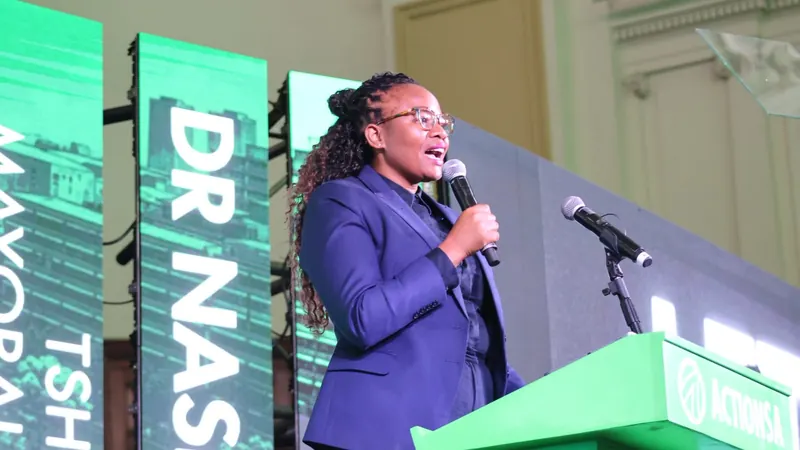
Second place. In 2021: fourth, with 8.6% of the vote, 19 seats and no wards won outright.
Mayor Moya, the only incumbent among our metro candidates, asked Tshwane to judge her on her record. Tshwane made us the second-largest party in the capital, ahead of the ANC.
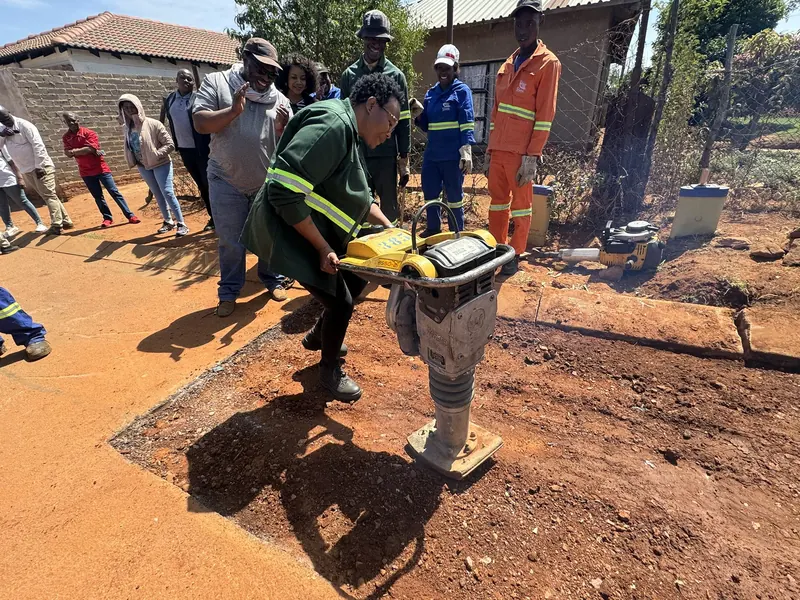
Between October 2024 and the 2026 municipal elections, Mayor Moya's multi-party government made measurable progress in restoring financial stability, rebuilding municipal capacity and improving essential services. Our share of the vote rose from 8.6% in 2021 to 22.1% in 2026. What the administration achieved:
Sources: City of Tshwane Mayoral Executive End-of-Term Report-Back, October 2026; The Tale of Tshwane, 2026. Figures reflect their respective reporting periods.
Third place. In 2021: third, with 16.1% of the vote, 44 seats and no wards won outright.
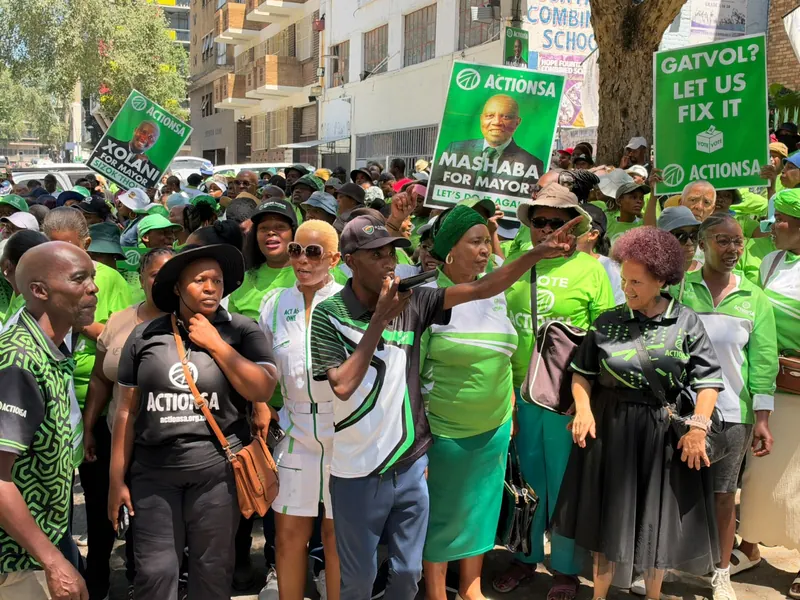
Herman Mashaba, who ran Johannesburg from 2016 to 2019, took us to our first wards in the city, most of them in Soweto, as the ANC fell to 20.2%. We won 43 council seats, 10 of them wards won outright.
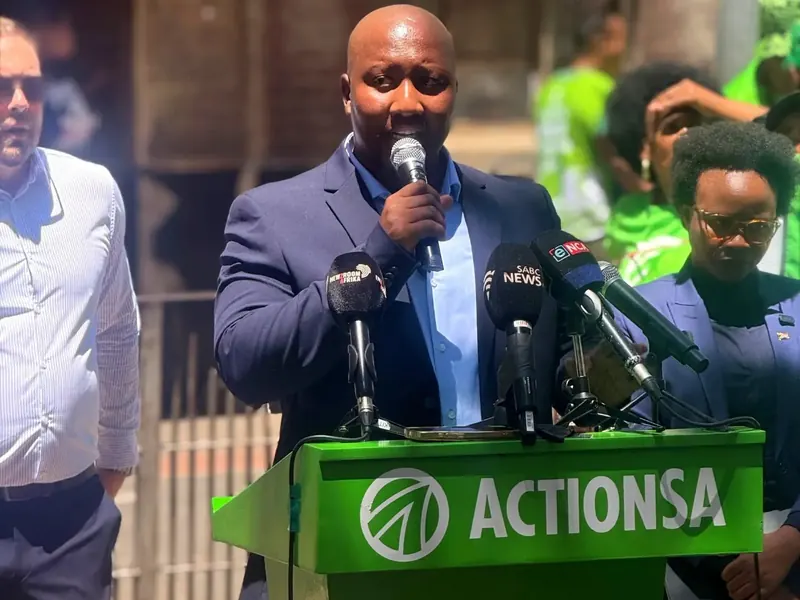
Third place. In 2021: fourth, with 6.6% of the vote, 15 seats and no wards won outright.
Xolani Khumalo, born and raised in Tembisa and known across the country for confronting drug syndicates on television, nearly tripled our share. On the same ground in 2021, the ANC had come first in all 17 wards we won.
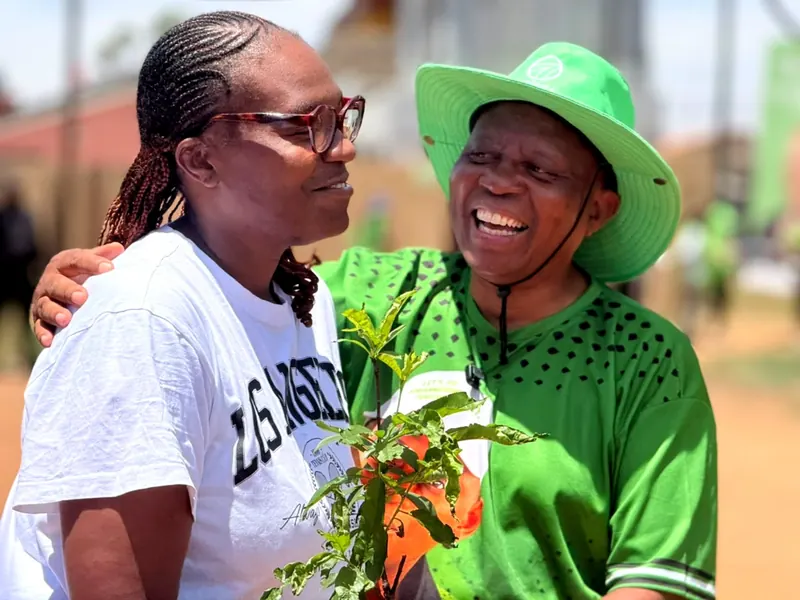
Dereleen James took us onto the Cape Town ballot for the first time, from the Cape Flats.
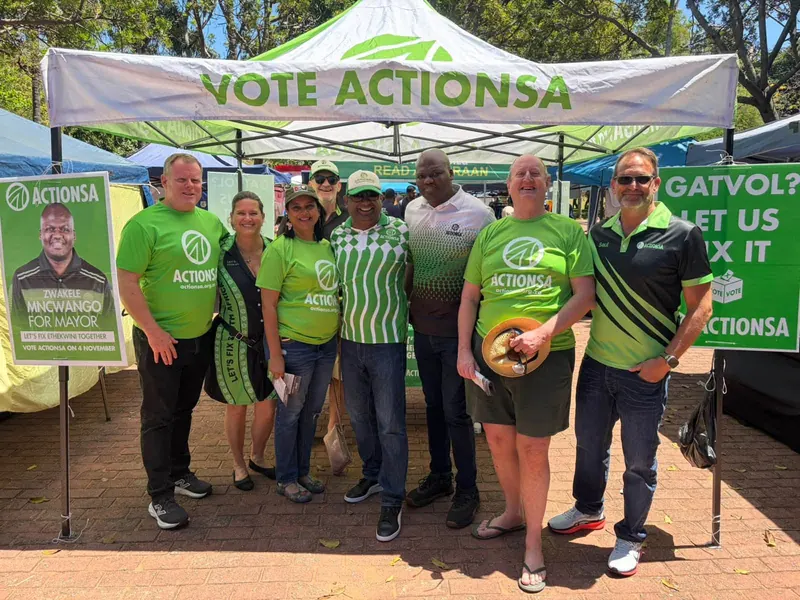
Zwakele Mncwango led our first serious contest for South Africa's third-largest metro.
Votes in all nine provinces. Wards won outright in two provinces where we were not on the ballot in 2021.
All 1 913 106 of our votes, mapped where they were cast. 690 650 of them came from outside Gauteng, more than our entire national vote in 2021.
Each hexagon is about 17 km across. Votes on all three ballots (ward, party and district council), placed at the voting stations of the ward they were cast in. IEC results.
In 2021 we contested eight councils, in Gauteng and KwaZulu-Natal.
In 2026, all eight metros, 71 of 205 local councils and 25 of 44 district councils, in all nine provinces.
Everything in this story was won on the green part of the map. A district council has its own ballot, taken by every voter in its local councils. In 2029 the national and provincial ballot covers all of it. Map: Municipal Demarcation Board via geoBoundaries (CC BY 3.0 IGO).
Each block is one of the province's councils: its metro and local councils, then its district councils, whose ballot is taken by every voter in their local councils.
More than half of our council seats, with 690 650 votes. In seven of these eight provinces it was our first election.
The bars show where we stood as much as how we did. In the Northern Cape we contested one local council and won 6.2% of the party vote there, close to our share in Limpopo (7.1%) and the North West (6.8%).
Where we stood: our share of the party (PR) ballot in the metro and local councils where we were on the ballot. Seats: metro and local councils, and the 18 district council seats elected on the district ballot. IEC results.
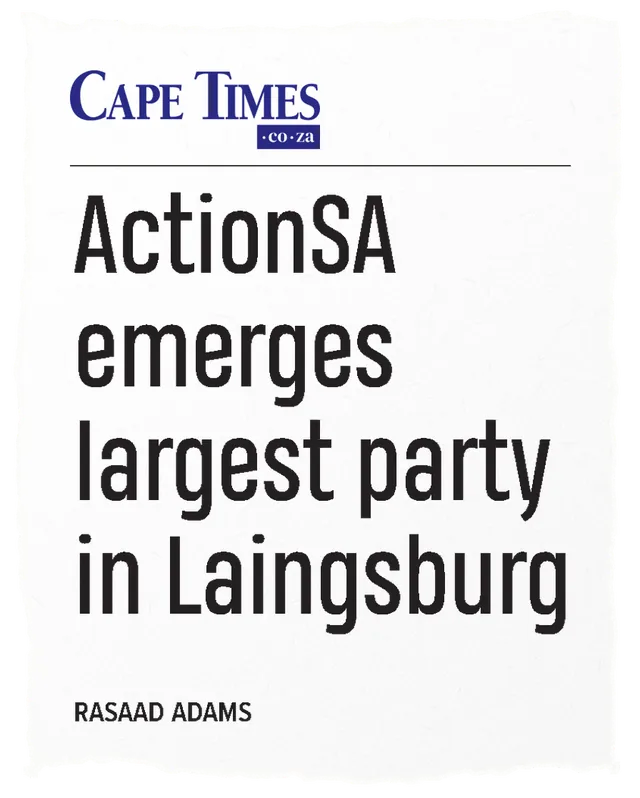
First in Laingsburg. Second in four councils across Limpopo and the North West, and on the Mopani district council ballot.
Our share of each local council's vote on all its ballots, and our place, from the IEC's results; seats from its seat calculation.
We came first in Laingsburg, a Karoo town on the N1, in our first election there.
Three parties finished within 2 points of each other. One of our two wards was won by 16 votes. In 2021 we were not on the ballot anywhere in the Western Cape.
As published, 5 and 6 November 2026.
Since 2021 our vote has grown 244%, more than five times as fast as the DA's, while the ANC and the EFF lost votes. We did it on the ballot in 104 of the country's 257 councils.
Every other big party is boxed in: the ANC and the EFF are shrinking, and the DA is still below its 2016 share of the national vote (24.6% then, 22.9% now). We won votes in all nine provinces, seven of them for the first time, and we have not found our ceiling.
Votes on all three ballots, the IEC's national totals, for every party with at least 1% of the 2026 vote that was also on the 2021 ballot (MK and SACP were not). All valid votes grew 26%.
Since 2016 the ANC's share of Gauteng's local vote has more than halved, from 46% to 22%. The DA is at 34%, still below its 2016 high of 37%. We went from 9% to 16% in five years, and the ANC's lead over us fell from 28 points to 6.
Gauteng elects its provincial government in 2029. The structures that carry a province are built in the years before the election, not in the months.
Share of all valid votes in Gauteng's metro and local councils (all ballots), IEC results for 2016, 2021 and 2026. We were founded in 2020.
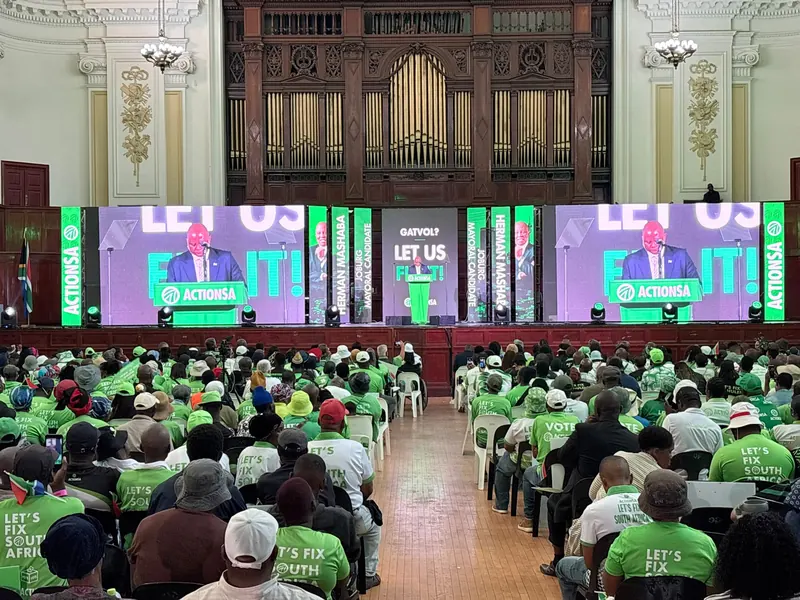
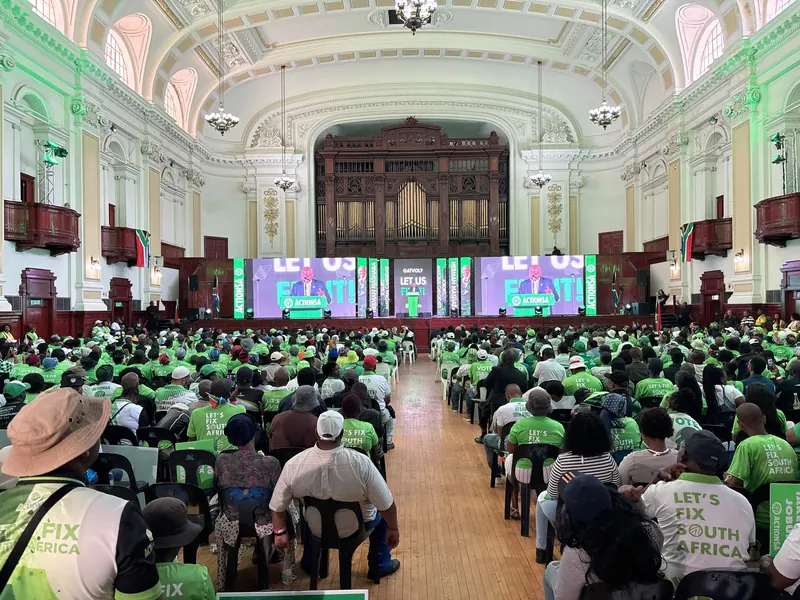
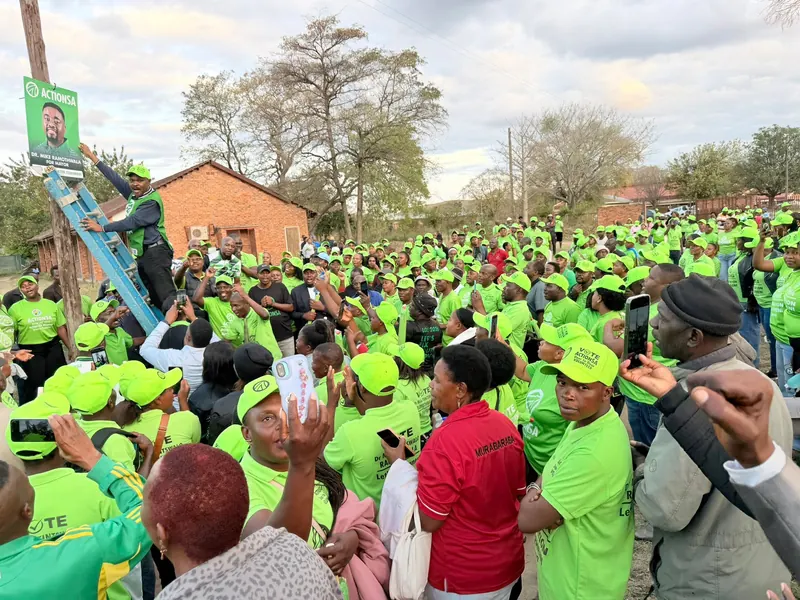
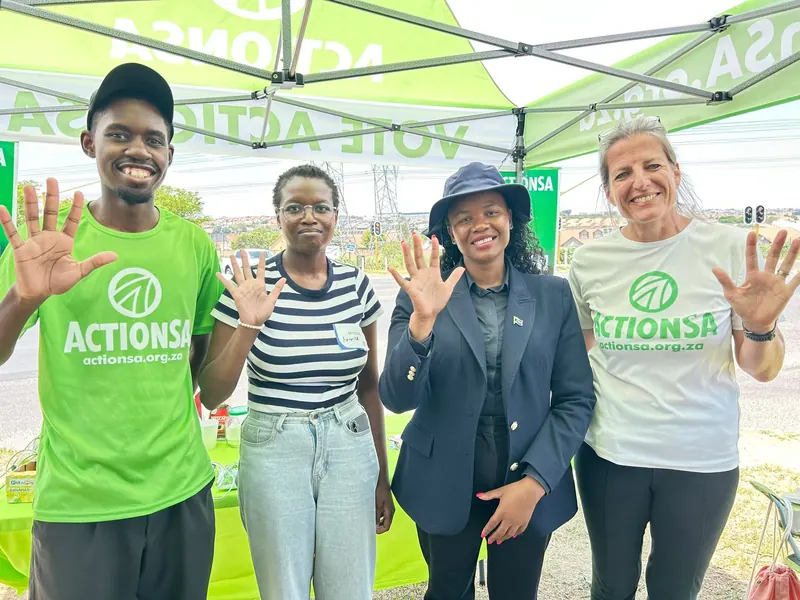
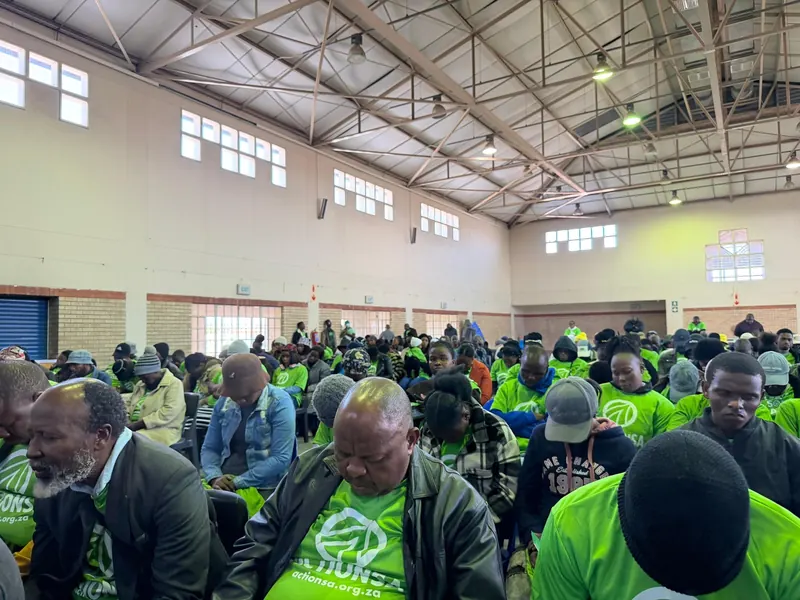
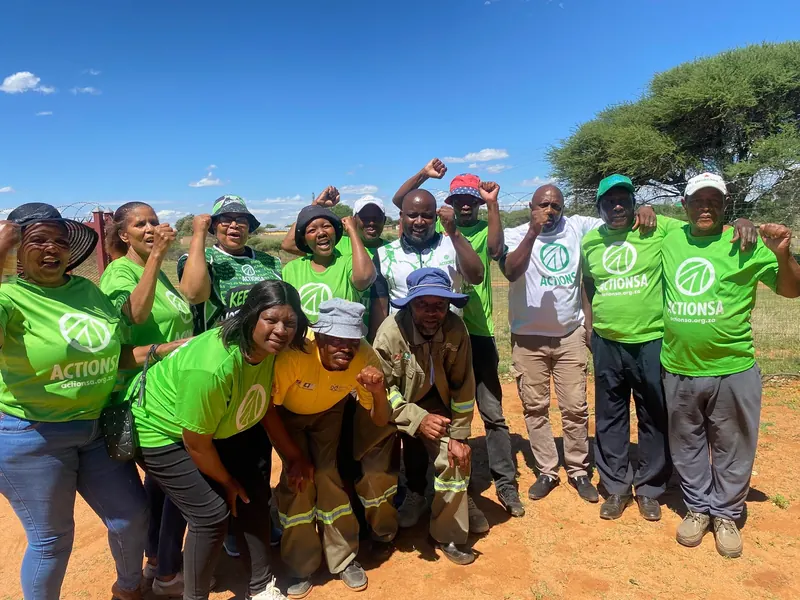
The 2026 result was built street by street: branches, members and volunteers who knocked on doors, put up posters and stood at voting stations. Now we have councillors in 82 councils. That machine does not have to be built from nothing for 2029. It has to be grown.
Branches and members as we published them in September 2026. Councillors: council seats won in 2026.
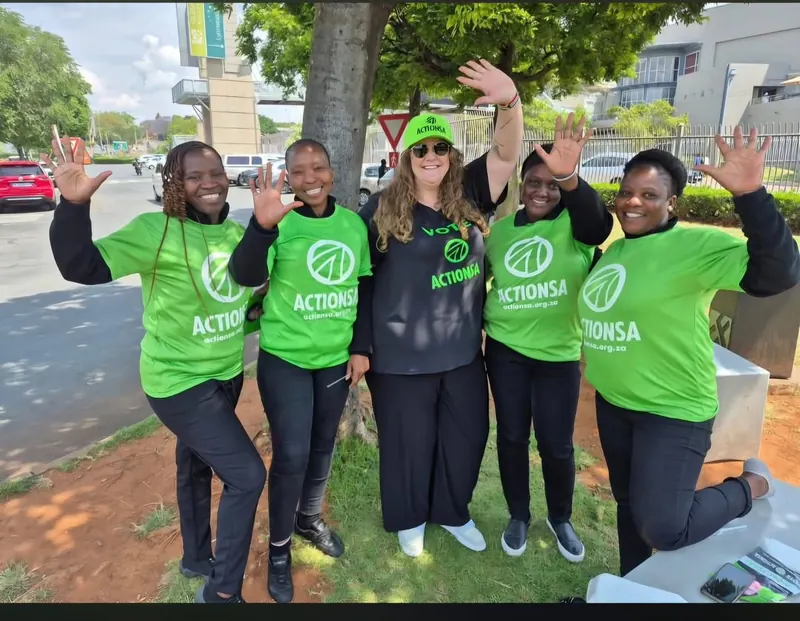
We have shown what we can do in government, and that no major party is growing faster. The sooner our supporters are involved, the stronger the party that reaches 2029. Your support now builds:
Donations to political parties are governed by the Political Party Funding Act, which requires parties to disclose donations above a set amount to the IEC. We are happy to talk you through how it works.